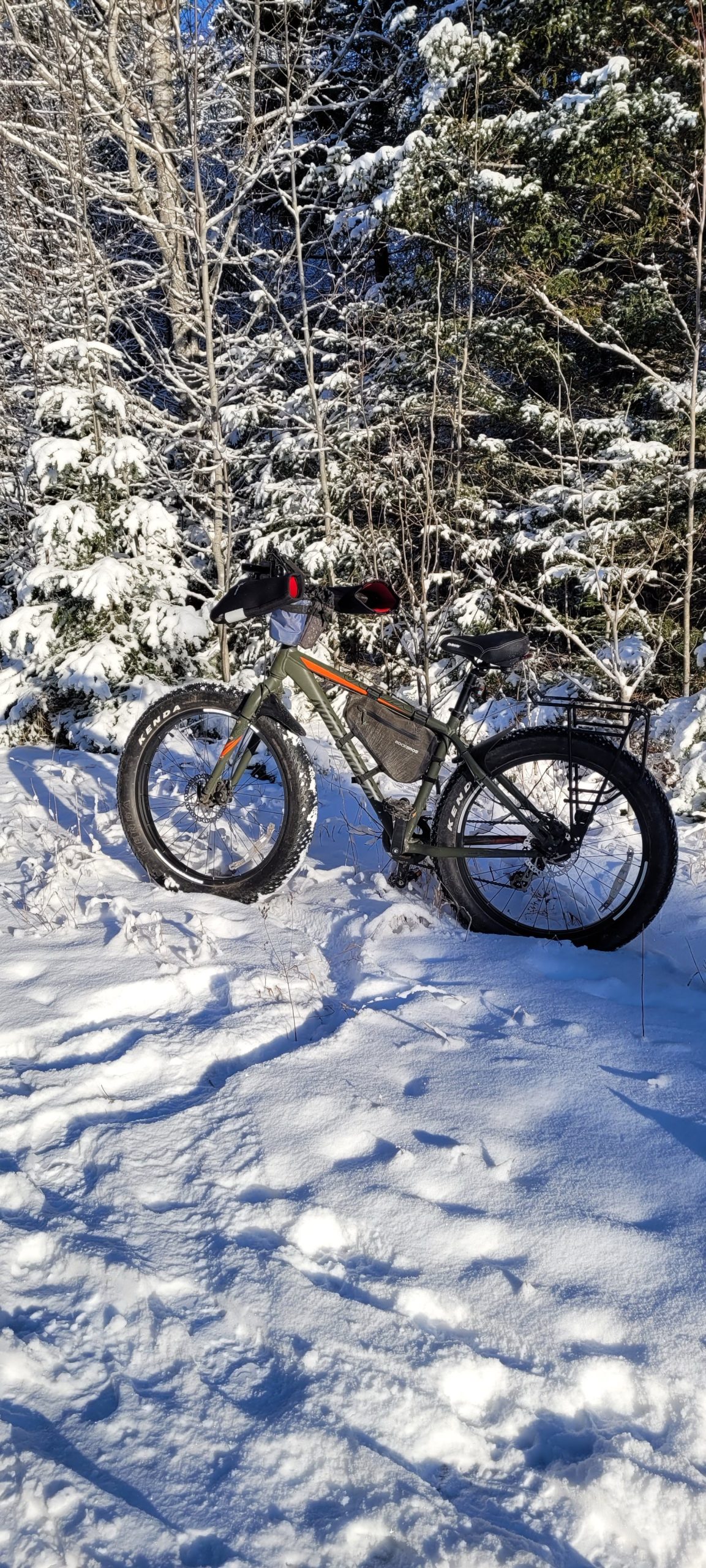
I’ve been back and forth on this for months: stick with two bikes, or simplify everything and run one rig year-round? With limited storage, a Volvo that can’t magically grow a hitch overnight, and a never-ending love affair with bikes and gear, the mental tug-of-war has been real.
But the more I think about it, the more I’m leaning toward one dedicated machine — and for me, that’s probably going to be a fatbike (or a plus bike) built to handle Atlantic Canada’s worst and still roll well in summer.
A few things pushed me here. Let’s break it down.
The Northrock Is Maxed Out — Literally
The Northrock XC00 was an absolute workhorse. I’ve ridden it for years, upgraded what I could, pushed it through every season, and it never complained. But it has limitations:
- Odd-sized hubs
- Old-school freewheel, not a modern cassette
- Upgrade paths that basically don’t exist
- Any meaningful overhaul would cost more than a newer, better-specced fatbike
I squeezed every drop of performance out of it. It improved, sure — especially the upgraded 7-speed — but it’s still a beast on climbs compared to modern drivetrains.
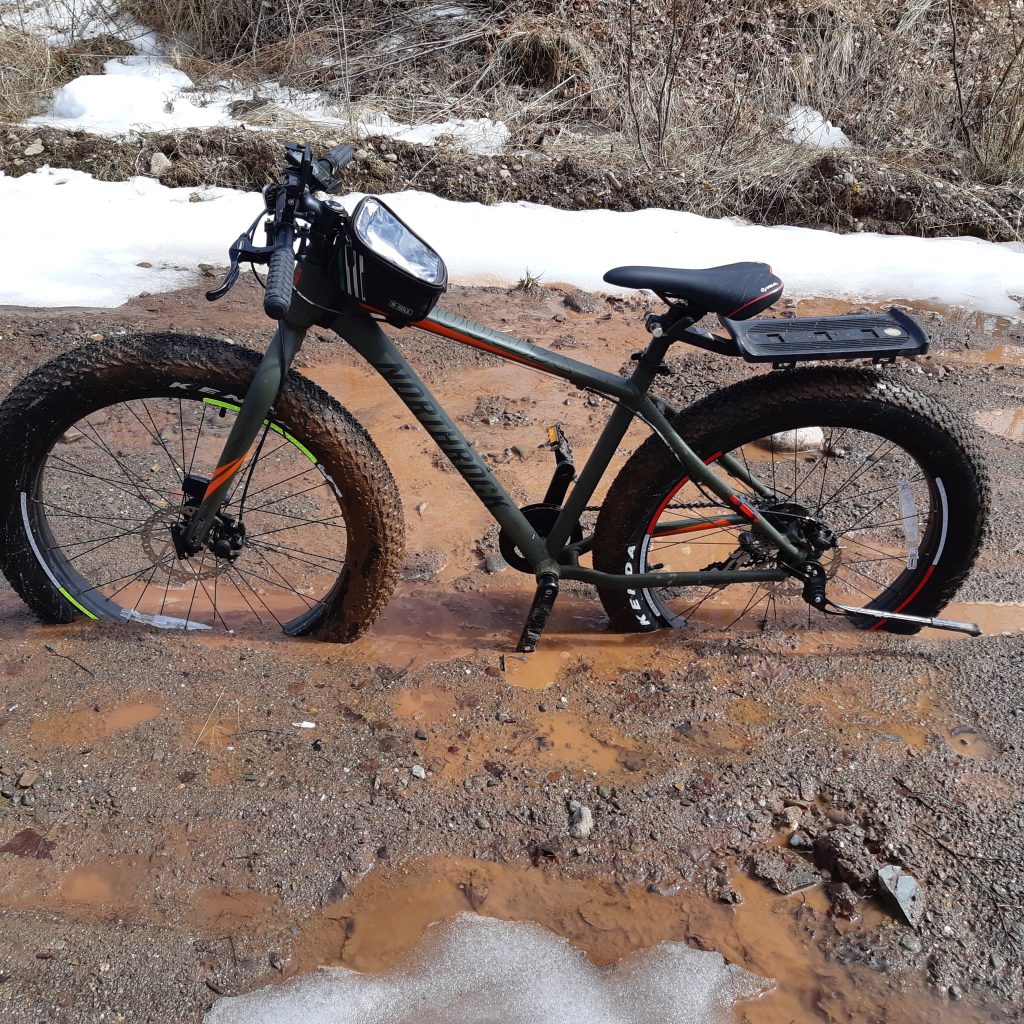
So if I’m going to upgrade anything major, it just makes more sense to funnel that money toward a new fatbike with proper specs.
Why a Modern Fatbike Makes Sense for Me
If I go down to one bike, it needs to check a lot of boxes. I’m not a featherweight, and once I load gear, tools, winter kit, and food, the setup gets demanding.
A proper year-round fatbike for me would need:
- 27.5-inch wheels for better rolling efficiency
- 3.8–4.5″ tires for winter survival and summer comfort
- Minimum 10-speed drivetrain — ideally 12-speed
- 170–175mm crank arms to handle my size and leverage needs
- A larger, sturdier frame that fits me instead of me trying to fit it
That setup would give me:
✓ better climbing
✓ better cadence range
✓ smoother rolling on summer roads
✓ confidence in deep winter snow
✓ comfort for long days out with neuropathy
A modern fatbike solves every seasonal frustration I’ve had over the years.
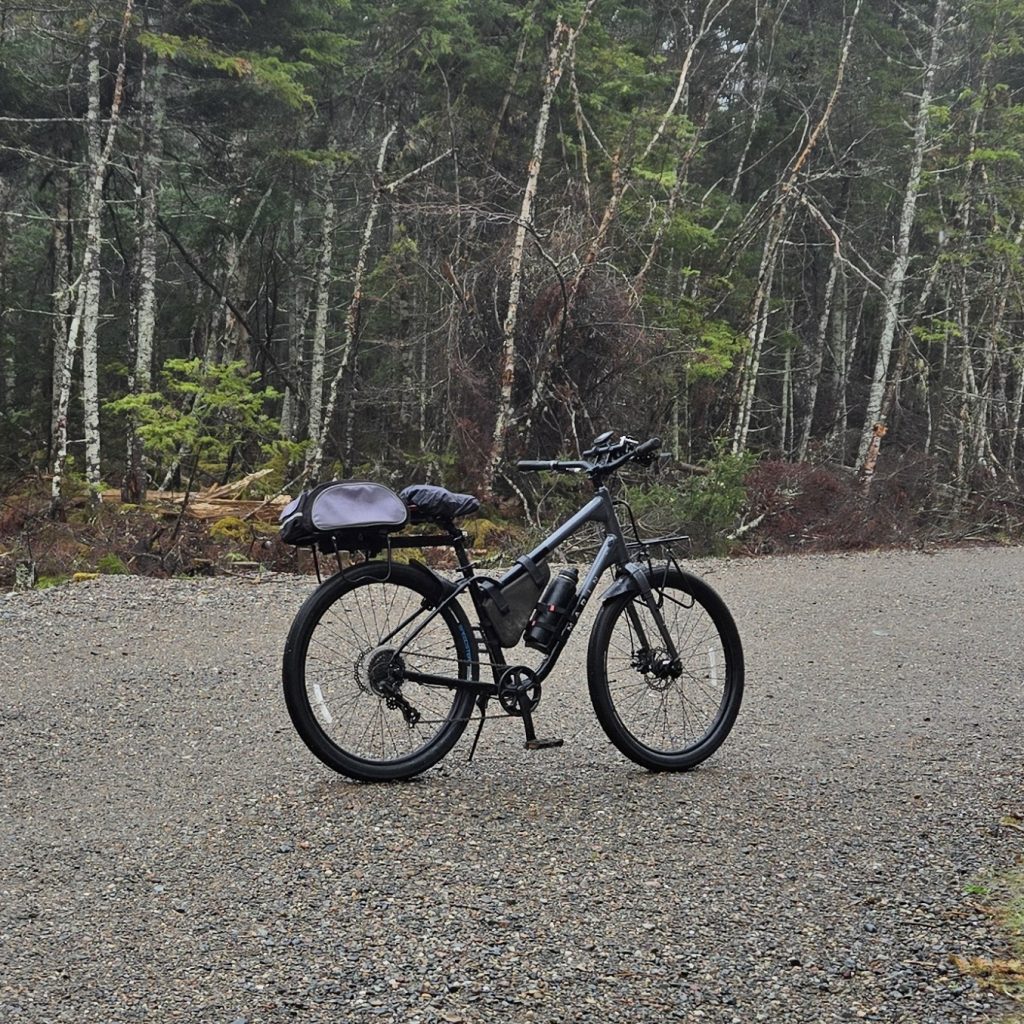
But… I Still Love the Marin Stinson
The Marin is honestly a gem. The geometry, the comfort, the way it rides — perfect for my legs, perfect for neuropathy days, and perfect on gravel or longer spins.
And the fact that I can convert it to a 10-speed for around $250 makes it even more tempting to keep. Upgrading the Stinson would give me a fantastic summer and shoulder-season bike. But again… space.
Storage is limited. Transport is limited. And I already have a fatbike for winter.
This is where the mental tug-of-war happens.
The Dream Setup: One Fatbike, Year-Round
If I go with just one bike, the best option is a:
Fatbike or a 27.5+ “plus bike” running 3″ tires.
A plus bike is a nice compromise — still wide enough for winter traction, lighter and faster than a full fatbike in summer. But a full 27.5 fatbike with good gearing gives me:
- Winter flotation
- Summer comfort
- Reliability
- Simplicity
- One set of bags
- One set of accessories
- One bike to maintain
- One bike to transport
For someone with limited space but unlimited desire to ride, that’s appealing.
For Now: Ride What I’ve Got and Plan for Spring
I’m not pulling the trigger today.
I’m not draining the budget on a shiny new machine (even though the sales are tempting).
For this winter:
- I’m throwing studded tires on the Northrock
- Riding it through the cold months
- Then deciding in spring whether it becomes:
- a trade-in, or
- a spare winter bike for anyone who wants to try fatbiking with me
Which means…
Yes.
I’ll have two bikes.
Well… three, actually.
But honestly — can you really have too many?
Where I’m Leaning
If I simplify:
One year-round fatbike with a 12-speed drivetrain and 27.5 wheels is the dream.
If I keep variety alive:
Stinson upgraded to 10-speed for summer + a modern fatbike for winter.
Either way, the Northrock has served its purpose — and now it’s time to think ahead to the rig that will carry me through the next several years of riding.